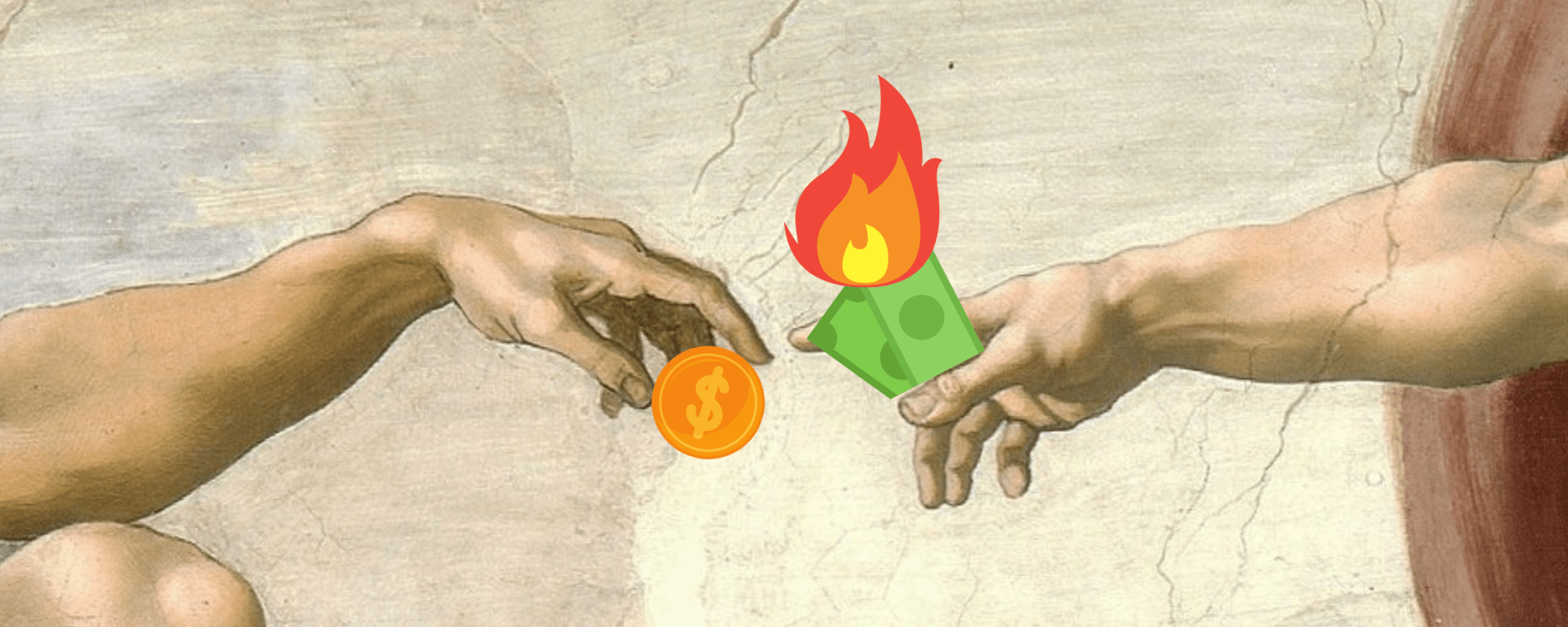
*a candid post on what it’s like to reflect on how much i’ve spent things at Winners or on Ubereats*
(A little disclaimer before I start – I am in my late 20s now, so these views reflect the experiences of my early-mid 20s.) SO, Where do I begin… in a TLDR version of my 20s so the most notable mistakes that have taught me some valuable lessons throughout my 20s so far:
- Never being open when talking about my financial status
- Not reading the fine print when setting up important accounts (e.g. savings accounts, chequing etc.)
- Not taking my school classes seriously, failing them, and wasting money in the process
- Allowing “how I lived” drive my sense of independence
- And over working myself to the point that it made me spend more on lifestyle shortcuts
So, why these 5? Unfortunately these were all things that formed bad financial habits that, if I continued down this path, would not set me up for success in the future. The lessons learned from each of these actions taught me valuable knowledge that I hope you can take with you without having to experience the downsides like me and my stubbornness did…
- Not being open to talking about finances // allowed me to lie about what’s really happening
It comes without saying that we live in a curated world where people put out a ‘better’ image of themselves. Take Instagram as a prime example, seeing all these influencers doing great, looking good – but what percentage of them are actually honest about their body enhancements, photo editing tricks or how they’re actually feeling in real life?
Same thing goes with being financially honest. What I learned is that different cultures, including mine, have this strange stigma about talking about what they make, what makes them successful, and what their failures are financially. For years I pretended be “financially sound” or “financially ahead of my age” because I hid behind a ‘hustle mentality’. I told myself “I work and go to school full time, I deserve to spend what I want and when” when in reality, my parents were supporting me through the first few years of university while I was throwing money away every week at stores like Forever21, H&M.
While I’m not preaching to share your financial statements to the world (because identity theft is some serious stuff in today’s day and age), talking to close friends, your parents, or even your siblings about your spending habits opens up dialogue that will feel extremely embarrassing at first, but you will come to find that a lot of other people around you are in a similar boat, and perhaps have even overcome hardships that you would of never considered because of the privileges you live with.
2. Not reading the fine print // opened opportunities for companies to take advantage of my young age
Strangely enough, I am the type of person to read a manual before setting up an appliance. But the small print on a contract? Skimmed faster than Sparknotes summarized a book. As a young, newly independent person I will say this: You know what you know, you know what you don’t know, BUT you don’t know what you don’t know.
I am going to emphasize that last statement – YOU DON’T KNOW WHAT YOU DON’T KNOW. And that’s totally okay. Just don’t be above it all and skip things because “it’s all the same” or “I will never understand it anyways”. Professionals are there to answer your questions, you are legally bound to read it, and if you accept the terms without understanding it and sign it? That mistake is on you. And my mistake costed me a terrible credit score that took years to build back up again.
My advice? Do your research, ask the professionals, weigh all the opinions and then come to the decision as informed as you can be. You’d be surprised how much money you can save, relationships you can build along the way. Realistically on a fraction of people do the work, so be apart of that fraction.
3. Not taking my education seriously // reduced the value and perception of the hard earned dollar
Ah yes, let’s check my privilege. I most definitely took those liberties for granted. I may not be a Caucasian, male with a trust fund and high power parents, but I certainly came from a strong, 2 parent household that was able to financially and/or emotionally support me from birth to today.
This was unfortunately a long learning curve that taught me not only the value of money, but also how important emotional investment was tied to my success in educational learning. I never took the time to understand how much school cost, and pushed it into the same category as high school – a place to learn and get a degree that has no cost to me. Emphasis on “me”, my callous and selfish mindset lowered the value of education, created an emotional burden on my family, and [this barrier] never allowed me to realize why I was failing classes in the first place – it wasn’t the right program for me.
Failing class after class, disappointing my parents again and again; my parents and I agreed that I needed to take on a job to relieve some of the expenses I was incurring – the best decision ever made. It taught me the value of the dollar to the point that eventually, by year 3 of University, I decided to become financially responsible for myself and took care of all my expenses, because it forced me to plan out how to pay for University and everything around it.
I acknowledge that this isn’t the case for everyone, and looking back, choosing to go down that path empowered me to reshape my thinking on what success looks like, and became a huge turning point in my life on my personal finance and relationships with my family.
4. Allowing HOW I lived drive my sense of independence // aligned my priorities in life based off the perception of others
This, I feel, is a relatable habit that applies to a vast number of people, at all different ages! Whether it’s moving downtown “to be where the action is”, moving out of your parents house “because you’re 18 now” or maxing out your loan to buy a bigger house “cause it’s the adult thing to do” are all examples of social perceptions can drive decisions that can financially bury you if you’re not careful…
Tied to the FOMO mentality (Fear of Missing Out), at one point or another, we humans are susceptible to comparing yourself to others. I remember hearing on a Dave Ramsey podcast once, “if you look at you closest 10 friends/people in your life, the chances are, you are an average of that group.” And that’s so true. I mimicked the spending habits of the people I surrounded myself with. If they made more money that week – we’d go out for a party. And so, as I made more money, I told myself I could spend more too – DO NOT GET THIS MENTALITY. What ends up happening is that you make more, you spend more, and you end up saving the same, if not less because the upgrades to your lifestyle costs are more important than building your emergency fund and savings. Cause, as my 20 year old self would say, how can you have fun with money sitting in a bank account if you can’t touch it? Am I right?
While I highly believe that it’s great to have fun and put yourself out there, especially in your early 20s, there are many ways to do it without spending half your pay cheque to appease other people’s feelings. At the end of the day, if they aren’t paying your credit cards, bills, etc – they shouldn’t get a say in how you spend your money. And, if they really are the awesome people that they are, be honest about your budget and I’m sure you can find ways to get creative together.
5. The financial downsides to overworking // convinced me that working more hours means making more money
This one is one of the more recent lessons I have learned, realizing that there is more to working an ‘hourly wage’ mentality. And to be honest, it took a huge slap in the face by someone very important to me to realize that working 3 jobs was not a sustainable way of living.
Since I can remember, I’ve been so used to filling all my time with sports, extra curricular activities, school, etc. That when I eventually left the nest, my natural instinct was to fill all my waking hours by getting another job, or in this case, jobs. Once I started making more money, I fell into the lifestyle upgrade trap mentioned in the previous point, and ended up finding myself working 2 jobs, pay-cheque to pay-cheque. So I thought, “why don’t I pick up a third job?? I can squeeze in those hours and make it work.” And so I did, I worked my office job, M-F, retail job on the weekends, and a server job during most evenings.
What I ended up with, was a distant relationship with my partner, family, friends and shut out everyone around me, because all I did was work. Missed many social events and family gatherings, I was exhausted for 3 years, running on a ‘battery saver mode’. I was so determined to live that lifestyle, that everything revolved around “making ends meat and nothing else”, when in hindsight, I was setting myself up for failure in every aspect of my life: financially, professionally and personally.
- I took Ubers home at 3am from my restaraunt job cause I had to wake up at 7am the next day,
- I consistently ordered take out lunch and dinners because I had no time to meal prep,
- I reduced my chances of getting promoted because I couldn’t work on extra projects after hours at the office because I had to work at my other jobs.
- I was so tired that I couldn’t physically bring myself to seeing family, or going out with my partner and/or friends…
I shot myself in the foot because I failed to realize that there are other ways to increase wealth through other avenues in life – both passively and actively. When I got that hard slap in the face (metaphorically, not physically) that’s when I over came my fear of debt, quit my side jobs, and focused on my primary job in order to gear my life towards a life of mental wellness and financial freedom.
At the end of the day, when you choose to actively prioritize your finances, confront your demons and practice what you set out for yourself, eventually these actions will form positive habits that will stay with you for the rest of your life. Being financially disciplined is hard work when you’re trying to state your independence to the world whilst finding your path in life. But the best things aren’t easy, and there are no shortcuts to life.
So, for those who made it to the end of this longer-than-expected post, thank you; hopefully you have taken something from it. Want to chat? DM on Instagram! Or comment below.


One thought on “5 budgeting mistakes i’ve made in my 20s”